How Many Miles Do You Need for Business Class? (2026)
Quick answer
In 2026, business class awards typically cost 25,000–70,000 miles one-way domestically, 50,000–100,000 across the Atlantic, 45,000–120,000 across the Pacific, and 70,000–160,000 to the Middle East or Australia. Fixed-chart partner programs like Flying Blue, Virgin Atlantic, ANA, and Alaska consistently price 30–50% below dynamic US-carrier rates.
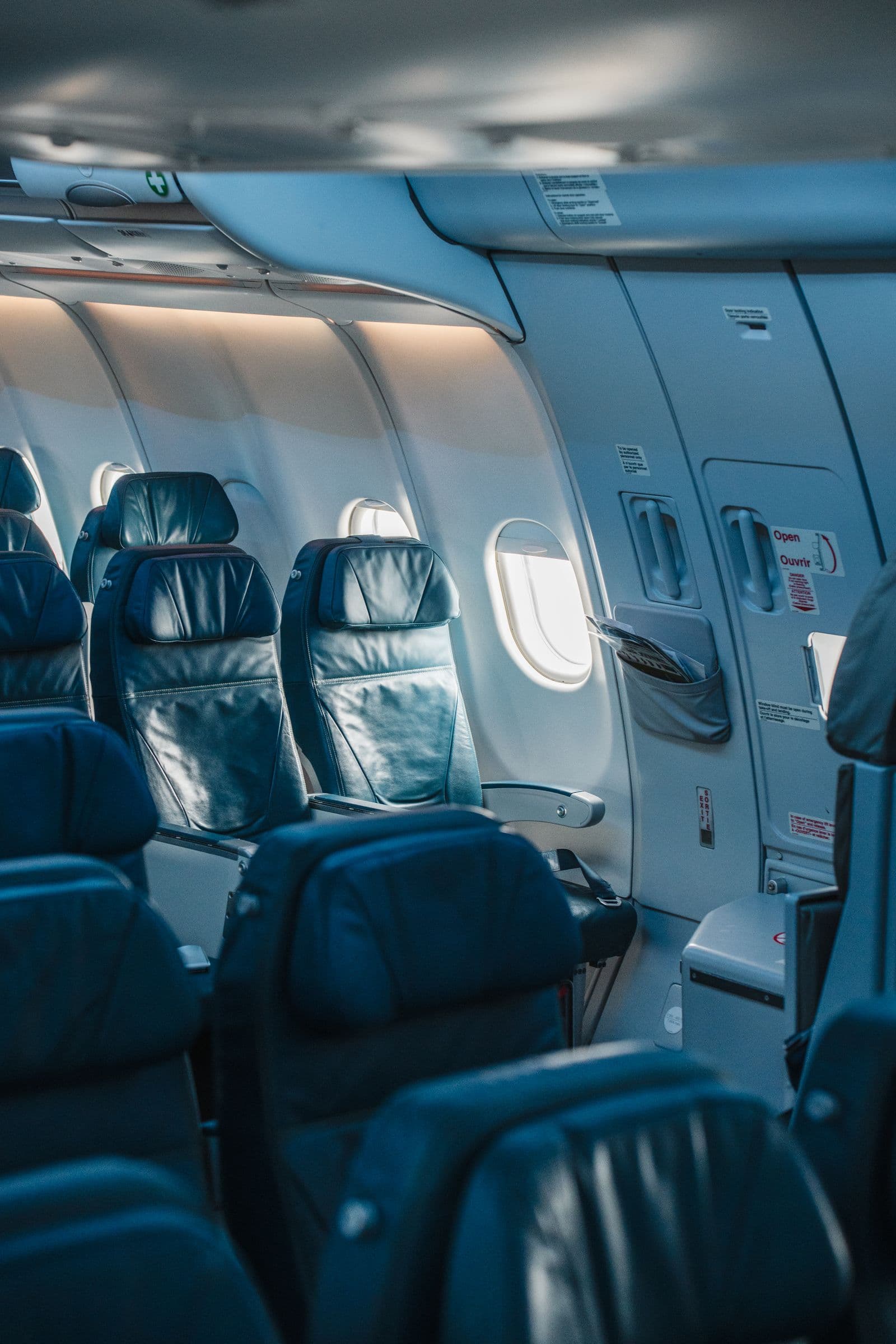
Business class is the reason airline miles exist. Nobody brags about saving $180 on an economy ticket to Denver — they brag about the lie-flat seat to Tokyo that would have cost $6,500 in cash and cost them 50,000 miles instead. But "how many miles do I need for business class?" has no single answer: the same seat can cost 50,000 miles through one program and 140,000 through another.
This guide gives you realistic 2026 numbers by region, names the programs that price each region lowest, and runs the buying-the-miles math against cash fares that now run $3,000–$8,000 round-trip in business. Wherever your balance falls short, you can browse live miles prices and buy exactly the miles you're missing — our team then books the award ticket for you end to end.
Business class award pricing by region (2026)
The pattern in that table is the most important lesson in award travel: fixed-chart partner programs beat dynamic pricing almost everywhere. Flying Blue holds transatlantic business at 50,000–60,000 miles while United's dynamic engine asks 80,000–150,000 for comparable dates. Virgin Atlantic books ANA business at 45,000–50,000 points while booking the same cabin with United miles can cost double.
| Region | As low as | Typical range | Lowest-priced programs |
|---|---|---|---|
| Domestic US / transcon lie-flat | 25,000 | 30,000–70,000 | Delta flash sales, American saver, Alaska |
| Transatlantic (Europe) | 47,500 | 50,000–100,000 | Flying Blue, Virgin Atlantic off-peak, AA partner saver |
| Transpacific (Japan/Asia) | 45,000 | 60,000–120,000 | Virgin Atlantic→ANA, ANA round-trips, Alaska→JAL |
| Middle East | 70,000 | 85,000–150,000 | Qatar Privilege Club Avios, AA partner saver, Emirates Skywards saver |
| Australia / New Zealand | 80,000 | 80,000–160,000 | AA→Qantas saver, Alaska partner charts, United saver |
Domestic and transcontinental: 25,000–70,000 miles
For lie-flat transcon routes (JFK–LAX/SFO, and premium-configured Hawaii flights), saver-level business runs 25,000–40,000 miles one-way when airlines release space — Delta's periodic flash sales and American's saver inventory are the usual sources. Dynamic pricing on the same flights can hit 70,000+ on Monday mornings and holiday weekends.
At a typical marketplace rate of 1.5¢ per mile, a 32,500-mile transcon business award costs about $490 — versus $700–$1,400 cash fares on premium transcon routes in 2026. It's a real saving, but domestic redemptions are the warm-up act. The value multiplier gets serious over oceans.
Transatlantic and transpacific: where miles earn 4–7¢ each
Across the Atlantic, Flying Blue business from 50,000–60,000 miles one-way is the benchmark, per One Mile at a Time's program guide, with strong Air France and KLM availability from a dozen US gateways. Virgin Atlantic Upper Class runs 47,500–57,500 points off-peak (mind the London surcharges), and American releases partner space on BA, Iberia, and Finnair from 57,500 miles.
Across the Pacific, the sweet spots are even deeper: Virgin Atlantic books ANA business at 45,000–50,000 points one-way, ANA sells round-trip business for 75,000–90,000 of its own miles, and Alaska's award charts price JAL business from 60,000 one-way. Against 2026 cash business fares of $5,000–$8,000 round-trip to Tokyo or $6,000+ to Sydney, these redemptions return 5–10¢ per mile — several times The Points Guy's 1.2–1.5¢ baseline valuations.
Middle East and Australia: the premium-heavy long haul
To the Middle East, Qatar Airways' Qsuite is the prize, and Privilege Club Avios price US–Doha business from roughly 70,000 Avios one-way at saver levels, with typical bookings in the 85,000–120,000 range once dates and connections are factored in. Emirates Skywards prices US–Dubai business saver awards from roughly 85,000–110,000 miles one-way, with surcharges of a few hundred dollars.
Australia is the hardest business cabin in the world to book with miles — Qantas releases little premium space on US routes. American's partner chart at 80,000 miles one-way is the target when space appears; United's saver pricing runs 80,000–110,000 and its dynamic pricing far beyond. Booking to Auckland instead of Sydney, or connecting through Asia, often unlocks space that the nonstops never show.
Availability is the real currency
Confirm the award availability and required program first. Compare the live listing’s quantity, delivery method and fees, then review the total at checkout. Delivery timing and any seller-issued booking option depend on the listing. Program rules still apply.
The buying-miles math vs $3,000–$8,000 cash fares
Here's the comparison that matters. Round-trip cash business fares in 2026 typically run $3,000–$5,000 to Europe, $5,000–$8,000 to Asia or Australia, and $4,500–$7,500 to the Middle East. Now price the same trips in purchased miles at a typical marketplace rate of 1.5¢ per mile: 120,000 miles for a round-trip Flying Blue business award costs about $1,800; 90,000 ANA miles for round-trip Tokyo business costs about $1,350; 160,000 AA miles for round-trip Qantas business costs about $2,400.
In every case you're paying 30–50% of the cash fare for the identical seat, meal, and lie-flat bed. That's the entire thesis of buying miles: airlines price award seats off charts and saver buckets, not off the revenue fare, and the gap between those two prices is your saving. Run any route through the award calculator to see the exact spread for your dates before you buy a single mile.
- Europe round-trip: ~120,000 miles ≈ $1,800 in miles vs $3,000–$5,000 cash — save ~$1,500–$3,000
- Japan round-trip: 90,000 ANA miles ≈ $1,350 vs $5,500–$8,000 cash — save ~$4,000+
- Doha one-way in Qsuite: 85,000 Avios ≈ $1,275 vs $3,500+ cash one-way
- Sydney round-trip: 160,000 AA miles ≈ $2,400 vs $6,000–$8,000 cash
Which business class products are worth the miles
Here's the quiet scandal of business class awards: a 70,000-mile redemption can put you in a fully enclosed suite with a sliding door — or in a 2-3-2 cabin where you climb over a stranger's legs to reach the aisle. The miles price is often nearly identical. Spending the same miles on better hardware is the highest-leverage decision in premium redemptions.
At the top of the class as of 2026: Qatar Airways Qsuite (a private suite with door, bookable with Avios and American miles at rates comparable to far weaker products), ANA's The Room (arguably the widest business seat flying, on select Tokyo routes), and the newest generation of suites from carriers like Air France and Delta. In the middle: solid 1-2-1 reverse-herringbone seats — the EVA, Cathay, Qatar 777 standard — which deliver 90% of the experience. At the bottom: older 2-2-2 and 2-3-2 layouts still flying on some carriers' older aircraft, where a window passenger has no direct aisle access on a 14-hour flight.
The practical move: before you commit miles, check which aircraft — and which seat generation — operates your specific flight, because many airlines fly both their newest and oldest cabins on the same route depending on the day. This is exactly the kind of check our team runs before booking; if the Tuesday flight has the old cabin and Wednesday has the new one, you should know that before your miles are spent.
One-way vs round-trip strategy in business class
Searching round trips is how beginners burn weeks waiting for a unicorn. Business class saver space rarely lines up in both directions on the same airline for the same dates — but nearly every program that matters prices awards as one-ways, which means each direction is its own independent puzzle with its own best answer.
Mixing programs per direction is standard practice: fly out on ANA booked through one partner program, come home on a Middle Eastern or European carrier booked through another. Each leg gets whichever program prices it cheapest with real availability — typically saving 15,000–30,000 miles versus forcing both directions through a single program, and doubling your odds of finding space at all. Because you can buy exactly the miles each booking needs, you're never stuck with a stranded balance in the 'wrong' program.
Positioning flights are the other half of the strategy. The best business award from your region may depart a hub 500 miles from home — a $120 cash hop to that gateway can unlock an award that saves 25,000+ miles or exists at all when nothing flies from your city. Two cautions: book the positioning flight with generous buffer (separate tickets carry no misconnect protection), and ideally position the night before for morning long-haul departures. Our team builds these multi-program, positioned itineraries end-to-end so the pieces actually fit.
Upgrades vs outright awards: why buying the seat usually wins
The upgrade fantasy — buy cheap economy, sprinkle some miles, sit in business — persists because it sounds like arbitrage. In practice, as of 2026, it's usually the worst-value path to the front cabin.
Three reasons. First, upgrade space is a separate and typically scarcer inventory bucket than award space; airlines would rather sell the seat than upgrade you into it, so the upgrade you're 'waitlisted' for often never clears. Second, most international upgrades exclude basic and deep-discount economy — you'll need a mid-tier fare that can cost hundreds more than the cheapest ticket, eroding the supposed savings before you start. Third, upgrades commonly charge miles plus a cash co-pay that can run several hundred dollars each way. Stack the qualifying fare, the miles, and the co-pay, and the total frequently meets or exceeds the cost of simply booking the business class award outright — with none of the certainty.
The outright award, by contrast, is a confirmed seat the moment it's ticketed. Run both paths through our award calculator if you're tempted, but the pattern is stubborn: upgrades make sense mainly for elite flyers holding fee-free instruments like systemwide certificates. For everyone else, the straightforward play — find confirmed saver space, buy exactly the miles it needs at live market prices, and ticket the seat — wins on cost, and wins overwhelmingly on certainty. Certainty is the whole point of paying for business class.
How to actually get the seat
The playbook: pick the region, identify the cheapest program from the table above, and check space before acquiring miles. If you're short — most people are 20,000–60,000 miles short of a business award — browse live miles prices and buy precisely the difference rather than overbuying. Marketplace rates around 1.5¢ per mile typically undercut airlines' own buy-miles pages by 30–50%.
From there, our team does the part most travelers dread: we search partner availability, price the itinerary, and book the ticket for you end to end. You choose the trip; we handle the award-booking machinery.
Put this into action on MileMarketplace
Confirm your award first, then compare the matching program’s listing, delivery method and complete checkout cost.
Frequently asked questions
How many miles do I need for business class to Europe?
Typically 50,000–100,000 miles one-way in 2026. Flying Blue from 50,000–60,000 miles and American partner awards from 57,500 are the reliable low end; United and Delta dynamic pricing usually runs 80,000–160,000.
How many miles for business class to Asia?
The best rates are 45,000–50,000 Virgin Atlantic points one-way on ANA, 75,000–90,000 ANA miles round-trip, or 60,000+ Alaska/American miles on JAL. Dynamic pricing through US programs typically runs 88,000–150,000 one-way.
Is it cheaper to buy miles than pay cash for business class?
Usually, by a wide margin. At about 1.5 cents per mile, a 60,000-mile business award costs roughly $900 in miles versus $2,500–$4,000+ for the same one-way seat in cash — typically a 40–60% saving once taxes are included.
Why does the same business seat cost different amounts of miles?
Each program prices partners differently: fixed award charts (Flying Blue, Virgin Atlantic, ANA, Alaska) hold prices low, while dynamic programs (United, Delta) float with cash fares. Booking through the cheapest partner program for your route routinely saves 30–50%.
What if I can't find business class award space?
Search 6–11 months out and again 1–4 weeks before departure, be flexible on gateway cities, and consider nearby arrival airports. When you buy miles through us, our team searches partner availability and books the seat for you, which removes most of the guesswork.