How Many Miles Do You Need to Fly to Europe? (2026)
Quick answer
In 2026, a one-way award from the US to Europe typically costs 20,000–40,000 miles in economy and 50,000–100,000 in business class, depending on the program and date. Flying Blue and Avios off-peak dates price lowest; United, American, and Delta price dynamically and can run higher on popular summer dates.
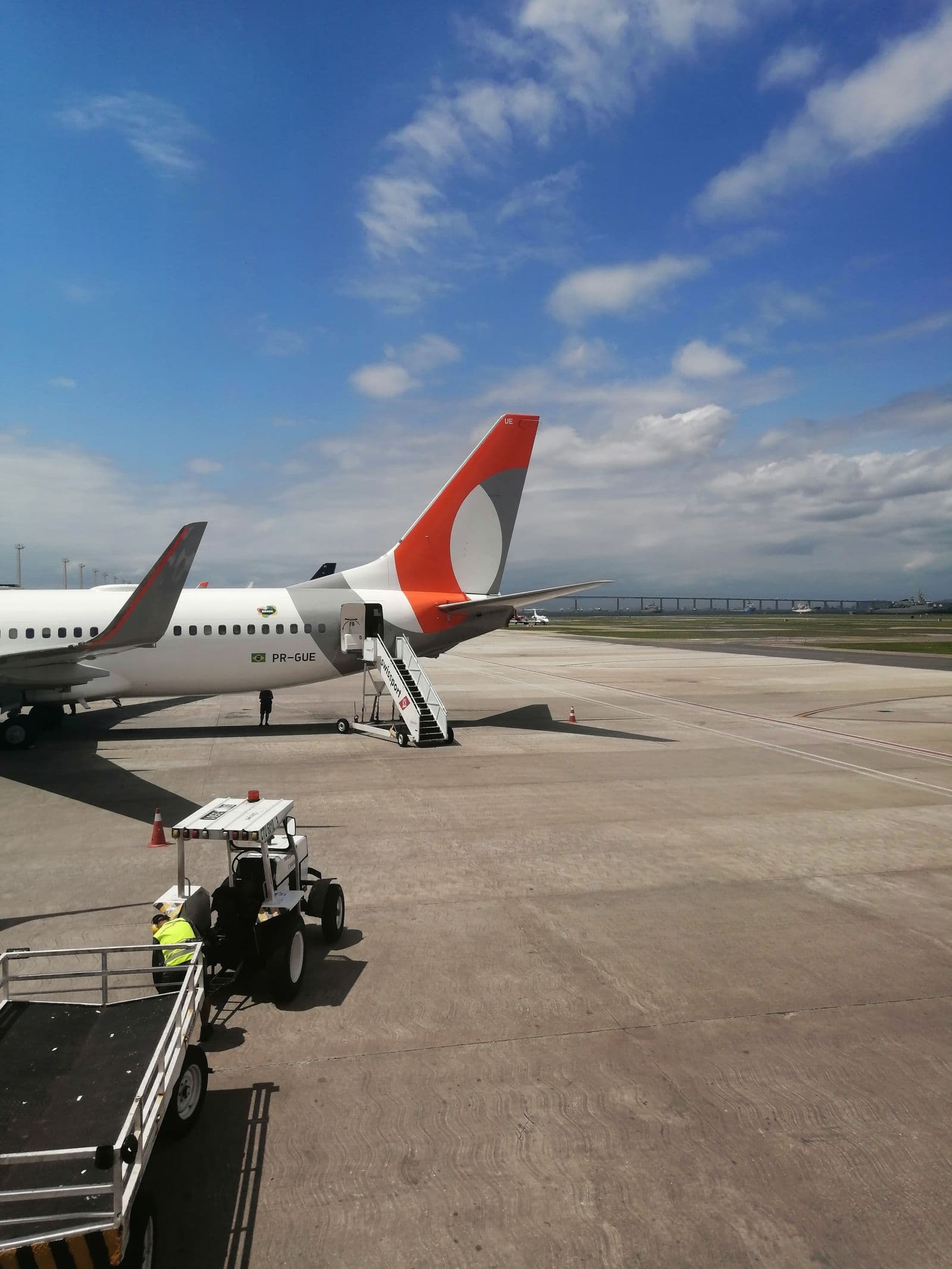
Europe is the single most-searched award destination for US travelers, and the honest answer to "how many miles do I need?" is: it depends on the program, the cabin, and the date — but the ranges are predictable. In 2026, you can realistically fly one-way to Europe for as low as 20,000 miles in economy and as low as 50,000 miles in business class if you pick the right program and stay flexible on dates.
This guide breaks down realistic 2026 pricing for United MileagePlus, American AAdvantage, Delta SkyMiles, Air France-KLM Flying Blue, Virgin Atlantic Flying Club, and British Airways Avios — then shows what each award actually costs if you buy the miles instead of earning them. If you're short miles for a specific trip, you can browse live miles prices and buy exactly the amount you're missing; our team then books the ticket for you end to end.
Typical 2026 award pricing: program by cabin
Most US programs no longer publish fixed award charts for Europe, so the table below shows realistic one-way ranges you'll see when you search in 2026. "As low as" reflects saver-level or off-peak pricing; the typical range is what you should budget for on normal dates. Peak summer weekends can exceed every number here — that's dynamic pricing working against you.
Flying Blue remains the value anchor for transatlantic business class, with one-way business awards regularly bookable from 50,000–60,000 miles and monthly Promo Rewards cutting 20–25% off select routes. British Airways and Iberia Avios shine on off-peak dates, especially East Coast departures, though BA's own flights add fuel surcharges that Iberia and Aer Lingus largely avoid.
| Program | Economy | Premium economy | Business | First |
|---|---|---|---|---|
| United MileagePlus | 30,000–60,000 | 44,000–70,000 | 80,000–150,000 | n/a (partner only) |
| American AAdvantage | 22,500–45,000 | 40,000–60,000 | 57,500–110,000 | 85,000–150,000 (partner) |
| Delta SkyMiles | 26,000–60,000 | 50,000–85,000 | 75,000–160,000 | n/a |
| Flying Blue | 20,000–35,000 | 35,000–55,000 | 50,000–90,000 | n/a to US market |
| Virgin Atlantic Flying Club | 10,000–30,000 (off-peak) | 27,500–45,000 | 47,500–80,000 (Upper Class) | n/a |
| British Airways Avios (off-peak) | 20,750–26,000 | 41,500–52,000 | 62,250–80,000 | 83,000–110,000 |
Watch the surcharges, not just the miles
British Airways and Virgin Atlantic awards to London can add $300–$700 in carrier-imposed surcharges each way. Flying Blue, United, American, and Delta typically keep taxes and fees under $200 one-way to Europe. Always compare the total out-of-pocket, not just the mileage number.
Economy to Europe: 20,000–40,000 miles one-way
For economy, Flying Blue is usually the floor: 20,000–25,000 miles one-way from East Coast cities to Paris or Amsterdam is common outside of summer peaks, and Promo Rewards occasionally dip below that. American's web specials frequently hit 22,500 miles one-way, and United's saver economy runs about 30,000 on shoulder-season dates.
Delta prices economy to Europe dynamically, typically 26,000–50,000 miles one-way, with occasional flash-sale pricing in the low 20,000s. If your balance is close but not quite there, topping up is straightforward — you can buy the exact shortfall on our marketplace and have the ticket booked the same week. Run your route through the award calculator to see the miles-versus-cash math for your specific dates.
Business class to Europe: 50,000–100,000 miles one-way
Business class is where miles earn their keep. Flying Blue business awards from 50,000–60,000 miles one-way are consistently bookable on Air France and KLM, per One Mile at a Time's program guide, and availability out of hubs like JFK, IAD, and LAX is among the best across the Atlantic. Virgin Atlantic Upper Class runs 47,500–57,500 points off-peak, though surcharges bite on London routes.
United's dynamic business pricing has drifted upward: expect 80,000–120,000 miles one-way for saver-level space and more on peak dates. American still releases partner business awards on British Airways, Iberia, and Finnair in the 57,500–85,000 range. Off-peak Avios business (62,250 one-way on BA's distance-based chart for East Coast–London) is reasonable on miles but expensive on fees.
What it costs if you buy the miles at ~1.5¢
Here's the math that most award guides skip. At a typical marketplace rate of 1.5¢ per mile, a 25,000-mile Flying Blue economy award costs about $375 in miles plus roughly $120 in taxes — call it $495 all-in, versus $700–$1,100 for a comparable one-way cash fare in summer 2026. That's a modest win in economy.
Business class is where buying miles gets dramatic. A 60,000-mile Flying Blue business award costs about $900 in miles plus taxes — roughly $1,050–$1,100 all-in — against cash business fares that routinely run $2,500–$4,500 one-way across the Atlantic. Even United's higher 90,000-mile dynamic pricing works out to about $1,350 in miles, still less than half the typical cash fare. The Points Guy's monthly valuations peg most of these currencies at 1.2–1.5¢ apiece, so paying ~1.5¢ and redeeming at 4–7¢ in business class is the entire game.
- Economy example: 25,000 Flying Blue miles × 1.5¢ = $375 + ~$120 taxes ≈ $495 vs $700–$1,100 cash
- Business example: 60,000 Flying Blue miles × 1.5¢ = $900 + ~$180 taxes ≈ $1,080 vs $2,500–$4,500 cash
- Business example: 57,500 AAdvantage miles × 1.5¢ = $863 + ~$50 taxes ≈ $913 vs $3,000+ cash
- Skip: peak-priced 150,000-mile dynamic awards — at 1.5¢ that's $2,250 and the value edge disappears
When to book and how to be flexible
Transatlantic award space in 2026 follows two windows: 6–11 months out, when schedules open and partners release saver space, and the final 2–4 weeks, when airlines dump unsold premium seats into award inventory. May, September, and October offer the best blend of weather and award pricing; late June through mid-August is consistently the most expensive.
Flexibility on the arrival city matters more than most people think. Flying into Lisbon, Dublin, or Amsterdam and taking a $50–$120 intra-Europe hop often saves 15,000–30,000 miles versus forcing London or Rome. Off-peak Avios calendars and Flying Blue Promo Rewards both reward exactly this kind of flexibility.
Program-by-program booking walkthrough
Knowing the award prices is half the job — you also need to know where each program hides its best Europe inventory. Every program has a different search tool, and the difference between the right page and the wrong one is often 10,000+ miles per ticket.
Flying Blue publishes Promo Rewards on a dedicated page (flyingblue.com under Spend > Flights > Rewards), refreshed monthly with roughly 25% off select routes. As of 2026, promo economy awards from a rotating list of US cities to Europe have dipped to roughly 18,750 miles one-way, with premium economy around 30,000 and business occasionally near 45,000. The catch: promo cities change every month, so check the page before you decide how many miles to buy, not after.
Virgin Atlantic's site has a reward seat checker with a month-view calendar — use it to scan an entire month of saver space to London in one glance instead of clicking date by date. For Avios, pull up British Airways' off-peak calendar first: off-peak dates (most of fall, winter outside holidays, and early spring) typically price meaningfully below peak on the same route. Iberia's off-peak awards to Madrid are often the cheapest Avios path across the Atlantic, and Aer Lingus via Dublin usually carries far lower surcharges than BA via Heathrow.
- Flying Blue: check the monthly Promo Rewards page before buying miles — the discounted cities rotate.
- Virgin Atlantic: use the calendar view on the reward seat checker to scan whole months at once.
- Avios: confirm your dates against the off-peak calendar, and compare BA, Iberia, and Aer Lingus pricing for the same day — they often differ.
- Aeroplan and United: both show partner space online; Aeroplan's map-style search is useful when you're flexible on which European city you land in.
Stopovers and open jaws that stretch your miles
A one-city trip is the least efficient way to spend miles to Europe. Several programs let you bolt on a second city for almost nothing, which changes the value math considerably.
Aeroplan is the standout: on a one-way international award you can typically add a stopover of up to 45 days for just 5,000 extra points. That means Lisbon for a week, then onward to Paris, on essentially the same award. Avios doesn't offer free stopovers, but because it prices each segment by distance, you can build a multi-city itinerary (say, London for four nights, then a cheap 4,750–6,000 Avios hop to Rome) without the penalty a round-trip-only program would charge.
Compare each direction separately: a paid flight one way and an award the other may fit better than a forced return booking. Check current stopover offers and the exact cash fare conditions directly with the airline; do not assume two separately purchased legs have the same flexibility or disruption protection as one ticket.
Open jaws are free money
Flying into one city and home from another (an open jaw) rarely costs extra miles and saves you a backtracking train or intra-Europe flight. Into Rome, out of Milan; into Lisbon, out of Porto. Ask for it — most programs allow it, and it's one of the easiest wins in award travel.
Common mistakes that waste miles to Europe
The fastest way to lose value on a Europe redemption isn't picking the wrong program — it's redeeming when you shouldn't, or paying fees you didn't need to pay.
Mistake one: burning miles on dates when cash is cheap. Off-season transatlantic cash fares regularly drop to $400–$550 round trip; spending 60,000 miles to avoid a $450 fare is well under 1 cent per mile of value. Miles earn their keep in June–August and around holidays, when the same seat runs $1,200–$1,800 — run your specific dates through our award calculator before committing.
Mistake two: ignoring carrier surcharges. Two awards can cost identical miles and differ by hundreds of dollars in cash. British Airways and Virgin Atlantic awards to London often carry several hundred dollars in surcharges round trip, while Aeroplan, United, and Avianca LifeMiles bookings on the same alliance typically keep taxes closer to $100–$200. Always compare the all-in cost, not just the miles.
Mistake three: transferring credit card points speculatively. Transfers are one-way and irreversible — if the award space vanishes while you're deciding, those points are stranded in a program you may never use again. Backed by our full-refund guarantee — if we can't deliver as described, you're refunded in full. Orders are paid securely at checkout. See how it works for the full flow.
Short on miles? Buy exactly what you're missing
You don't need to earn 60,000 miles from scratch. If you're sitting on 35,000 and the award costs 57,500, you can buy the 22,500-mile difference at marketplace rates — typically far below what airlines charge for miles directly. Browse live miles prices to see current rates across programs, and once you order, our team handles the booking for you: we find the award space, price it, and ticket it end to end.
Before you buy anything, sanity-check the trip in the award calculator. It compares the all-in cost of buying the miles you need against the current cash fare for your route, so you only buy miles when the math genuinely favors it.
Put this into action on MileMarketplace
Confirm your award first, then compare the matching program’s listing, delivery method and complete checkout cost.
Frequently asked questions
How many miles do I need for a round-trip to Europe in economy?
Budget 40,000–70,000 miles round-trip in 2026. Flying Blue and American web specials can bring that down to 40,000–50,000 on off-peak dates, while summer peak dynamic pricing on United or Delta can push past 100,000 round-trip.
What's the cheapest program for business class to Europe?
Air France-KLM Flying Blue is the most consistent, with one-way business awards from 50,000–60,000 miles and frequent Promo Rewards discounts. American partner awards from 57,500 miles and off-peak Virgin Atlantic Upper Class from 47,500 points are strong alternatives.
Is it worth buying miles for a Europe flight?
Usually yes for business class, sometimes for economy. At about 1.5¢ per mile, a 60,000-mile business award costs roughly $900 in miles versus $2,500–$4,500 cash. For economy, compare against cash fares first — off-season economy tickets can be cheap enough that miles aren't necessary.
Do I pay taxes and fees on top of the miles?
Yes. Expect $60–$200 one-way on most programs, but $300–$700 in carrier surcharges on British Airways and Virgin Atlantic flights to London. Flying into or out of Dublin, Amsterdam, or Madrid generally keeps fees low.
How far ahead should I book a Europe award?
Search 6–11 months out for the widest saver availability, especially for business class in summer. A second wave of space often appears 2–4 weeks before departure when airlines release unsold premium seats.